Early childhood education (ECE) refers to the period of learning that takes place during the early years of a child’s life, typically from birth through the age of eight. It encompasses various forms of structured and informal learning experiences that are designed to support a child’s cognitive, social, emotional, and physical development. ECE programs aim to foster cognitive, social, emotional, and physical development in a supportive and nurturing environment. It focuses on meeting age-appropriate developmental milestones, ensuring children acquire essential skills and knowledge.
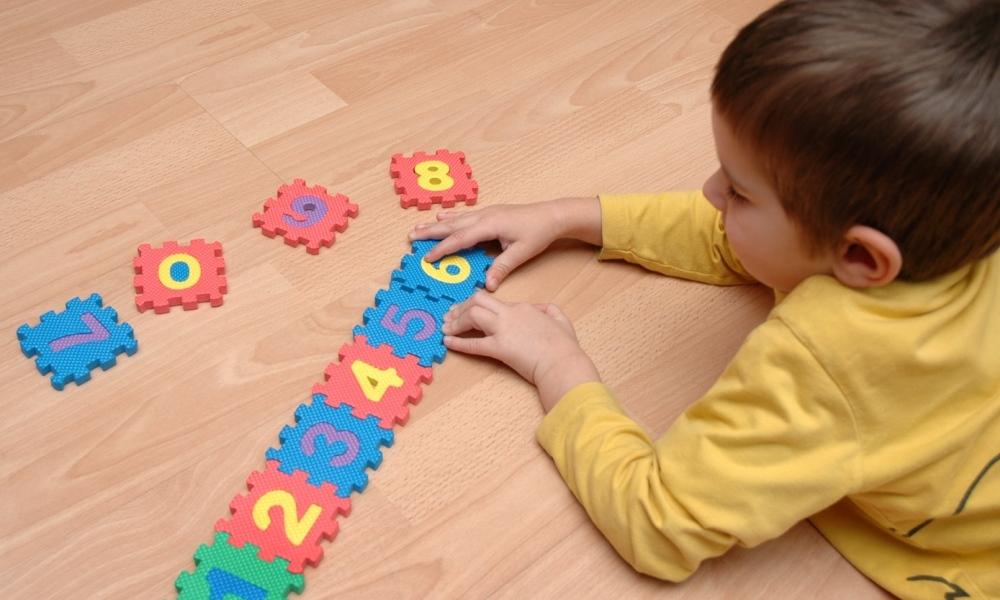

Early childhood education is crucial for several reasons. It is the Foundation for Learning. It provides a strong foundation for a child’s cognitive and social development. During the early years, children are highly receptive to learning, and quality education can help them acquire essential skills and knowledge.
Skills to listen and answer questions
It encourages social and emotional development. Early childhood education fosters social and emotional development by teaching children how to interact with their peers, manage emotions, and build relationships. These skills are vital for success in later life.
Language and communication are promoted as the importance of childhood education promotes language and communication skills, which are fundamental for academic success and effective communication throughout life. Furthermore, critical thinking and problem solving are promoted as they encourage critical thinking and problem-solving abilities, setting the stage for lifelong learning and adaptability.
Reduces achievement gaps as early childhood education can help reduce educational disparities by offering all children, regardless of their background, an equal opportunity to start school with similar skills and knowledge. It benefits the economy whereby investment in early childhood education has economic benefits by potentially lowering costs related to remedial education, social services, and even crime prevention in the long term.
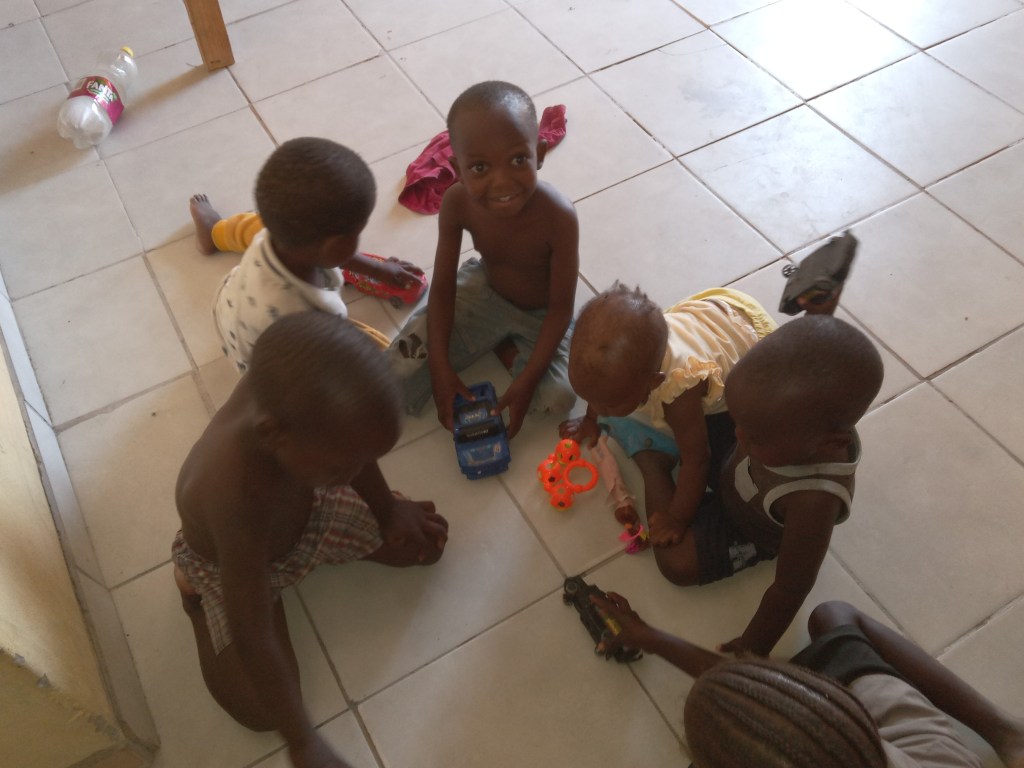
Apart from that, parents are involved, whereby a parent in their child’s education, strengthen the parent-child bond and make a parent an active participant in the child’s learning journey. The health and well-being of a child are monitored. High-quality early childhood programs often include health and nutrition components, contributing to a child’s overall well-being.
Early childhood education can take place in different settings, whereby it includes:
Preschools and Pre-Kindergarten Programs: These are formal educational settings for young children, often starting around the age of three or four. They focus on early academic and social skills. https://drive.google.com/file/d/10OrmNuw3vgzrYfVhrxSCIV6WZipd-afX/view?usp=drivesdk(open the link for more info)
Childcare Centers: Many childcare facilities offer educational components, combining care with age-appropriate learning activities. https://drive.google.com/file/d/10Ws9t7WuTEgirfNXAKYUxzTDkRPwheCR/view?usp=drivesdk(open the link for more info)
Home-Based Childcare: Some parents choose home-based childcare providers who may incorporate educational activities into their care routines.
Informal Learning: Much of early childhood education occurs informally through play, interaction with parents and caregivers, and exposure to everyday experiences.https://drive.google.com/file/d/10pQQRzzuLWtYM4IgfQSQSniUaNQfclNt/view?usp=drivesdk (open the link for more info)
What can be done to boost up the early childhood education
Increase Investment: Governments, communities, and organizations should allocate more resources to early childhood education, ensuring adequate funding for quality programs, teacher training, and infrastructure.
It needs a quality Teacher Training: Provide comprehensive training and professional development opportunities for early childhood educators. Well-trained teachers can make a significant difference in a child’s development.
(A link from YouTube demonstrating how a quality Teacher Training have to be for good impacts on the early childhood education:) https://youtu.be/fWc4BiVl-h8?si=mLzzMOvgeYcTpah_
Quality Standards: Establish and enforce high-quality standards for early childhood education programs. These standards should cover curriculum, safety, teacher-child ratios, and health requirements.
Access for All: Make early childhood education accessible to all children, regardless of socioeconomic background. Subsidized or free programs can help ensure equity.

Parent and Community Involvement: Encourage parental involvement through programs that educate and engage parents in their child’s education. Community support and engagement can also be vital.
Awareness and Advocacy: Raise awareness about the importance of early childhood education and advocate for its value at local, regional, and national levels.
Early childhood education programs typically aim to develop a child’s fundamental skills in areas such as literacy, numeracy, problem-solving, and social interaction.
Children learn to interact with others
The focus is on providing a nurturing and supportive environment that helps children develop a love for learning and equips them with the skills necessary for future success in school and life. Lastly, it also takes into account the individual needs and abilities of each child, fostering a sense of curiosity, creativity, and independence

Student names and numbers:
Simon Sonia A : 202203972
Mwashindange Silas : 202214869
Festus Helena : 202206599
 Site Title